Policy
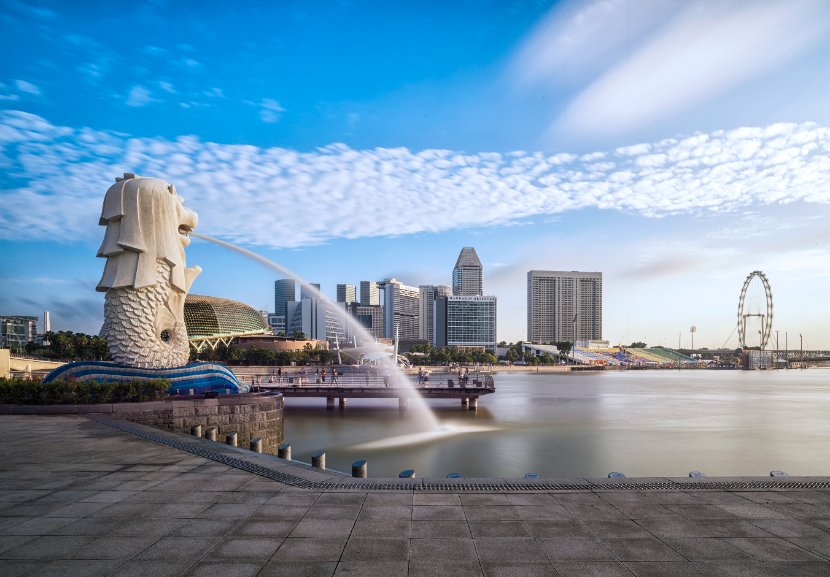
Singapore Signals Change in Stablecoins Regulation After Terra’s Collapse
Singapore aims to impose new restrictions on retail crypto traders while further regulating stablecoins.
 BTC$62,618.00-0.25%
 ETH$1,784.25+0.38%
 USDT$0.9988-0.04%
 BNB$569.17+0.14%
 USDC$0.9999+0.01%
 XRP$1.07-0.61%
 SOL$75.19-1.62%
 TRX$0.3249-1.59%
 FIGR_HELOC$1.03+1.91%
 HYPE$63.74-2.41%
 DOGE$0.0723+0.10%
 USDS$0.99970.00%
 RAIN$0.0143-0.35%
 LEO$9.54+0.05%
 ZEC$507.59-1.85%
 WBT$54.95-0.04%
BTC$62,618.00-0.25%
ETH$1,784.25+0.38%
USDT$0.9988-0.04%
BNB$569.17+0.14%
USDC$0.9999+0.01%
XRP$1.07-0.61%
SOL$75.19-1.62%
TRX$0.3249-1.59%
FIGR_HELOC$1.03+1.91%
HYPE$63.74-2.41%
DOGE$0.0723+0.10%
USDS$0.99970.00%
RAIN$0.0143-0.35%
LEO$9.54+0.05%
ZEC$507.59-1.85%
WBT$54.95-0.04%
WBT$54.95-0.04%
BTC$62,618.00-0.25%
ETH$1,784.25+0.38%
USDT$0.9988-0.04%
BNB$569.17+0.14%
USDC$0.9999+0.01%
XRP$1.07-0.61%
SOL$75.19-1.62%
TRX$0.3249-1.59%
FIGR_HELOC$1.03+1.91%
HYPE$63.74-2.41%
DOGE$0.0723+0.10%
USDS$0.99970.00%
RAIN$0.0143-0.35%
LEO$9.54+0.05%
ZEC$507.59-1.85%
WBT$54.95-0.04%
The FSB believes no existing stablecoin currently meets its performance, resilience, security, development, maintenance, and regulatory standards.
Singapore aims to impose new restrictions on retail crypto traders while further regulating stablecoins.
Tron aims to deploy $2 billion to purchase TRX and help restore the peg of its algorithmic stablecoin USDD.

Terra’s demise spurs South Korean financial regulators to launch emergency inspections of domestic cryptocurrency exchanges.

Digital asset inflows for BTC reached a record $299 million last week.