Trailing Dividend Yield Explained


All reviews, research, news and assessments of any kind on The Tokenist are compiled using a strict editorial review process by our editorial team. Neither our writers nor our editors receive direct compensation of any kind to publish information on tokenist.com. Our company, Tokenist Media LLC, is community supported and may receive a small commission when you purchase products or services through links on our website. Click here for a full list of our partners and an in-depth explanation on how we get paid.
How can you tell if a dividend stock is truly delivering on its income promise?
The trailing dividend yield helps answer that. It measures the dividends a company has paid over the past 12 months compared to its current share price, showing investors how much income the stock has actually produced.
Because it uses actual payouts – and not estimates – it offers an accurate and verifiable snapshot of recent performance. For income-oriented investors, the trailing yield is an important measure for identifying steady payers and cross-sector opportunity evaluations. It eliminates speculation and identifies companies that provide consistent returns.

- Trailing Dividend Yield Defined
- Formula and Calculation
- Advantages
- Trailing Yield vs. Forward Yield
- When Trailing Yield Works Best
- Limitations
- Practical Application
- Tracking Tools
- Conclusion
- FAQs
Defining Trailing Dividend Yield
Trailing dividend yield displays income a shareholder would have earned in dividends in the past 12 months, as a percentage of the current stock price. Unlike forward looking dividend estimates it is based on the dividends that have already been paid out and as such is a good, backward looking indicator of company performance as measured. For dividend investors, it allows a good starting point for evaluating the amount of income a stock has historically produced relative to the price.

By focusing only on the past year’s payouts, trailing yield reflects the consistency of dividends. A company with consistent, quarterly distributions will reflect a stable yield, whereas one that cuts or suspends distributions will reflect the effect quite clearly. This transparency can help investors to easily notice signs of reliability or warning.
Because it is based on actual favorable results rather than projections, trailing yield provides a factual picture of recent performance. For income-focused investors, that objectivity is valuable – that’s a measurement of what a company has really delivered – not what it promises. While it shouldn’t be used in isolation, trailing dividend yield is a good historical benchmark that helps investors decide if a stock’s payout record is in line with their goals for reliable income.
The Formula and How to Calculate It
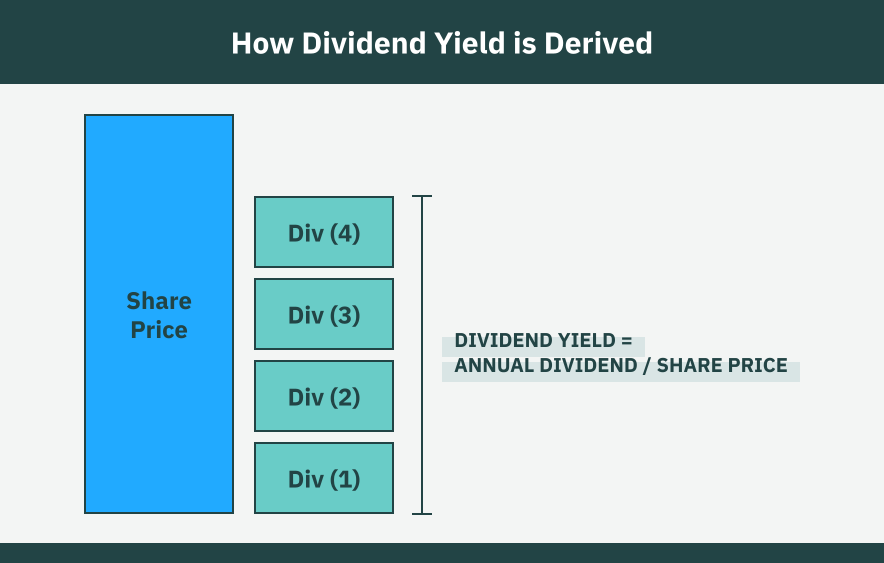
The trailing dividend yield is computed using a formula, which is very simple: (Dividends per share in the last 12 months / Current share price) x 100. This figure is used to see how much income an investor would have received in dividends relative to what the stock is currently trading for, and is based only upon past payouts.
Dividends per share show the total amount of cash disbursed to shareholders in the past year, which is usually the sum of 4 quarterly payments. The current share price has the result in relation to today’s market value, and how much investors would pay to obtain each dollar of past dividend income. Multiplying by 100 gives the yield as a percent, allowing it to be more easily compared across companies or industries.
Investors use the trailing yield to identify the consistency in yield and to identify the income opportunities. For example, if a stock has a current price of $50 and has paid $2 in dividends over the past year the stock’s trailing yield is 4%. This figure provides a clear, historical reference in order to evaluate the performance of dividends.
Because it is based on actual payments, rather than estimates, the trailing yield is a measure of fact, not prediction, of income delivered. This makes it a reliable tool for investors who are more focused on proven dividend history than on uncertain forecasts when assessing potential holdings.
Advantages of Using Trailing Dividend Yield
An, also important advantage of the trailing dividend yield is that it’s based on actual payments, not projections. Due to the way it reflects dividends already distributed, it eliminates the guesswork from future forecasts. This makes it a transparent, verifiable measure which investors can rely on as an accurate snapshot of recent income performance.
The trailing yield also helps in providing clarity. By examining the prior 12 months of dividends, investors can get a sense of how much income a company has earned compared to the company’s stock price. This backward view reveals whether dividends have been steady or inconsistent and therefore can be a useful filter to those looking for predictable income streams.
It’s particularly useful for identifying companies with a proven record of payouts. Strong utility companies and Dividend Aristocrats – firms that have increased dividends for decades – often have a trailing yield that is very much in line with forward expectations, and this builds investor confidence in the stability of the firm.
Finally, trailing yield provides an easy method of comparing the performance of dividends in different sectors without any analyst estimates. While it shouldn’t be the only valuation tool, as it is based on factual information, it serves as a good basis when evaluating dividend-paying stocks and as a foundation for building an income-focused portfolio with consistency and sustainability as the focus.
Comparing Trailing Yield with Forward Yield
Trailing dividend yield is the dividend paid over the last year. Forward dividend yield indicates the future dividend payment by a company. Forward yield is the product of the most recent dividend and an assumption of the number of payments that will be received each year or based on analyst and management estimates. Because it makes assumptions regarding dividends that will be declared and paid in the future, it is less certain.
While the difference is in perception. Trailing yield represents actual income earned against the stock price, and forward yield represents probable income to be earned. For example, if a company increases its dividend a forward yield may be greater than a trailing yield even though the new payments have not occurred yet.
Smart dividend investors look at both metrics at the same time. Trailing yield represents a company’s history, whereas forward yield represents the direction payouts might be going. When the two numbers are similar, the company is probably stable. A large gap can indicate a future dividend change, reduction or policy change that needs to be paid attention to. Yield comparison between trailing and forward enables investors to combine proven performance with future expectations to assess income opportunities.
When Trailing Yield Works Best
Trailing dividend yield is best for companies with stable and predictable dividends. Utilities, consumer staples and established Dividend Kinds & Aristocrats are good examples. These companies have maintained or increased their pay-outs for many years, and thus their trailing yield represents the yield investors can reasonably expect them to pay in the future.
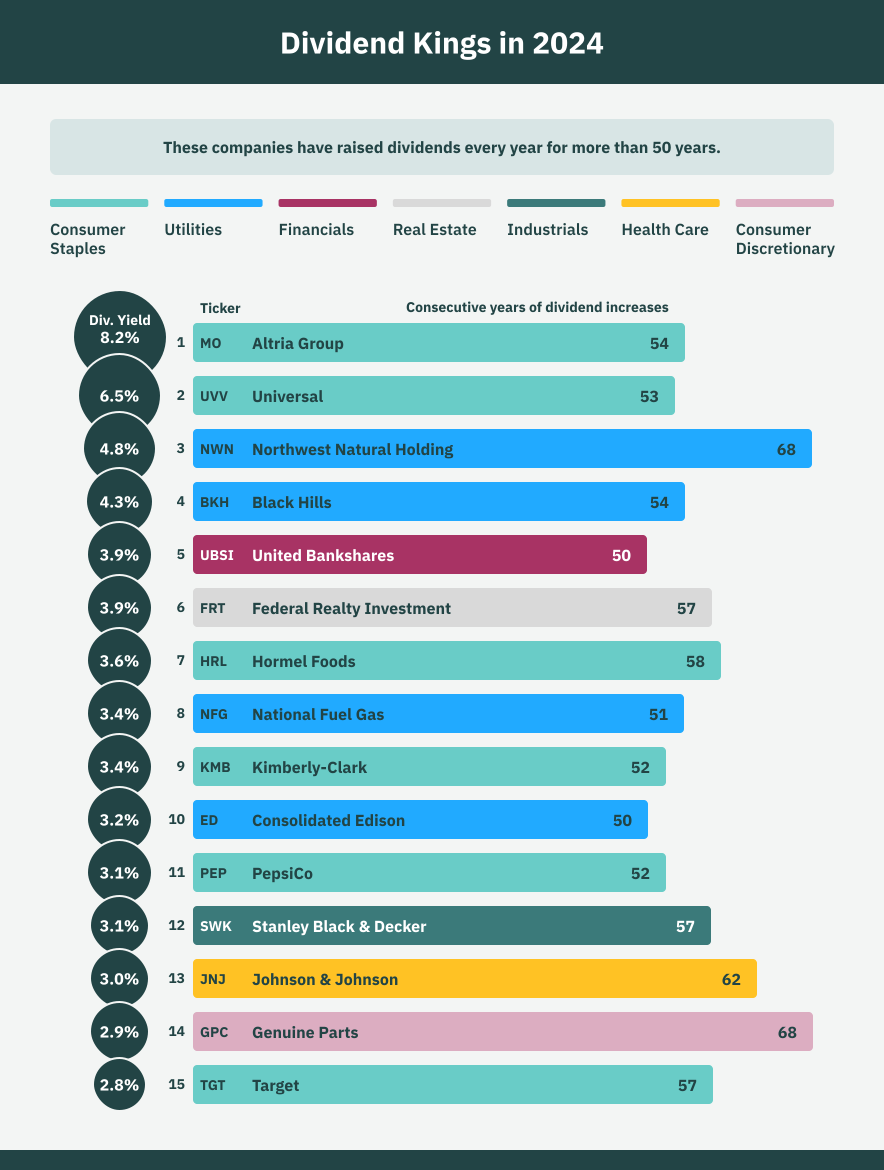
This backward-looking indicator is good news for income-oriented investors who value stability. By reviewing a company’s dividends during the last year, investors can verify that the firm has the means and the will to keep up its stockholder rewards. For regular dividend payers the trailing yield will tend to be close to forward estimates which increases certainty in long term reliability.
But it is less useful for firms that pay dividends irrationally or cyclically. A trailing yield can also give a misleading impression of the payouts when profits or business cycles fluctuate.
In static income-oriented companies, trailing yield is a reliable point of comparison for sector yields. For long-term investors who seek regular cash flow, it is an easy and reliable way to find stocks that are likely to yield reliable returns.
Limitations of Trailing Yield Analysis
While trailing dividend yield provides valuable transparency by relying on actual dividend payments, investors should be aware of its limitations. Because it is a backward-looking measure, it can lag behind current realities. If a company has recently announced a dividend increase or cut, the change won’t be fully reflected until an entire 12-month period has passed. This delay can leave investors with an outdated view of a stock’s income potential, particularly during times of transition or economic uncertainty.
Market volatility can also distort the yield. Since the formula divides past dividends by the current share price, large price movements can make the yield appear misleading. For instance, when stocks close at record highs for a second day as the AI trade heats up ahead of the Fed rate decision, yields may look artificially low even though dividend payments haven’t changed. Conversely, a sharp price drop can cause the trailing yield to spike, creating the illusion of a more attractive income opportunity than truly exists.
The measure also overlooks differences in dividend policy. Companies issuing irregular or one-time special dividends might show inflated yields, while those shifting payout strategies may appear less dependable than they truly are.
Because of these factors, trailing yield should be used alongside other metrics—such as forward yield, payout ratios, and earnings stability—to form a complete picture of dividend strength and long-term sustainability.
Practical Application for Dividend Investors
Practical Application for Dividend Investors Income-focused investors find the trailing dividend yield useful as a screening tool. Its true power is revealed when used with other metrics. The trailing yield informs you how much a company has paid as compared to their current price, but it gives you no guarantee of future payouts. To avoid blind spots, use it as a starting point, to then add deeper analysis.
Consider Costco Wholesale (COST), which increased its quarterly dividend by 12 percent last year, and which had a low payout ratio of around 26 percent. An investor using the trailing yield would see a poor yield, but excellent dividend growth and a healthy payout ratio – all signs of stability, not risk.
Contrast that with Airbus (EADSY), which is planning to increase its dividend-payout goal from 30 to 40 per cent to as much as 50 per cent. Although its trailing yield represents past payments, the increasing payout ratio is a changing dividend story. This means the trailing yield by itself may be understating future risk or opportunity.
Other than the payout ratio and the history of dividends, check for earnings consistency. A company that has increased dividends steadily for years provides more assurance than one with an erratic record of dividend payout – even if they both have similar trailing yields. Combining these metrics allows investors to identify true income-generating companies from those that aren’t as sustainable in the past in terms of their yield. Thus, the trailing yield forms a rational component of a wider, wiser dividend-screening approach.
Tools for Tracking Trailing Dividend Yield
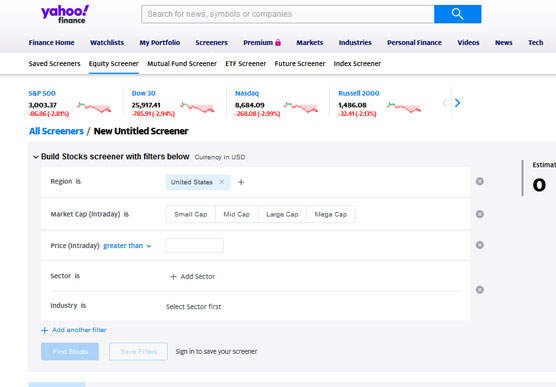
Tracking trailing dividend yield is easy because most financial platforms calculate it automatically. Stock screeners from Yahoo Finance, Morningstar, and Finviz let investors filter companies by trailing yield, making it simple to compare dividend payers across sectors. Many investors also use dividend portfolio calculators to estimate total income and reinvestment potential based on their holdings. These tools help narrow broad lists of stocks into focused income candidates while providing a clearer view of expected cash flow.
Brokerage firms such as Fidelity, Charles Schwab and TD Ameritrade list trailing yields on their stock profiles. Because the formula is updated with the market prices, most brokerages update these figures in real-time. This is useful for investors who are keeping track of changes as yields change.
More advanced platforms, including Bloomberg, Seeking Alpha, and other reliable market advisory services, combine trailing yield data with historical dividend trends, payout ratios, and analyst research. This added context helps investors determine whether a yield is supported by strong fundamentals or inflated by short-term factors.
No matter what platform, investors should cross check data with company filings such as annual reports and dividend declarations. This ensures accuracy and that special or irregular payouts are reflected.
By using these tools in conjunction with one another, investors can enjoy both convenience, as well as precision. This enables them to comfortably include trailing yield in their overall dividend analysis.
Conclusion
Trailing dividend yield allows investors an easy and objective portrayal of a stock’s income over the last 12 months. Since it is based on actual payments, it gives a clear and precise picture of recent performance and is an excellent starting point when it comes to assessing dividend consistency.
However, it has limitations. Trailing yield can be lagging behind recent dynamics, can be subject to volatility of the market, and can fail to capture the future dividend outlook of management. Investors should use it in combination with forward yield, pay out ratio, and earnings analysis.
When applied with wisdom, trailing yield provides investors with information that can be very useful in identifying reliable dividend payers, comparing income opportunities, and balancing historical performance with future prospects. Coupled with forward-looking measures, it helps build stronger portfolios that are designed for steady income and long-term growth.
Trailing Dividend Yield: FAQs
-
What Does Trailing Dividend Yield Measure?
Trailing dividend yield is the dividend a company has paid in the last 12 months divided by its current stock price. It provides a historical picture of the actual income received by investors in recent periods.
-
How Is Trailing Yield Different From Forward Dividend Yield?
Trailing yield looks at the dividend that has already been paid, therefore it is backward looking and based on historical data. Forward yield, on the other hand, uses expected payments in the future (forecasts or management guidance) and therefore much more uncertainty.
-
Why Might Trailing Yield Be Misleading During Market Volatility?
Because trailing yield divides the past dividends by the current share price, it can distort the percentage by sharp price fluctuations. A sudden stock price decline will cause the yield to look exceptionally generous, whereas a swift stock price rise will cause the yield to look less generous - even if dividends themselves are unchanged.
-
Which Types of Companies Are Best Evaluated With Trailing Yield?
Trailing yield is most suitable for companies that offer consistent and predictable dividend history such as utilities, consumer staples or Dividend Aristocrats. There are some companies that have a consistent pattern of payouts, and therefore, the past dividends are a good indicator of future payments.
-
How Can Dividend Investors Use Trailing Yield in Stock Screening?
Trailing yield can be used as a first screening tool by investors when comparing dividend stocks. Used alongside payout ratios, earnings stability and dividend growth trends, the yield can help investors make better decisions. Earnings stability has become especially relevant as AI spending plays a growing role in the earnings of companies like Alphabet and Microsoft, reminding investors to focus on sustainable income rather than short-term anomalies.
All reviews, research, news and assessments of any kind on The Tokenist are compiled using a strict editorial review process by our editorial team. Neither our writers nor our editors receive direct compensation of any kind to publish information on tokenist.com. Our company, Tokenist Media LLC, is community supported and may receive a small commission when you purchase products or services through links on our website. Click here for a full list of our partners and an in-depth explanation on how we get paid.

 Back to