Complete Beginner’s Guide to Optional Dividends


All reviews, research, news and assessments of any kind on The Tokenist are compiled using a strict editorial review process by our editorial team. Neither our writers nor our editors receive direct compensation of any kind to publish information on tokenist.com. Our company, Tokenist Media LLC, is community supported and may receive a small commission when you purchase products or services through links on our website. Click here for a full list of our partners and an in-depth explanation on how we get paid.
Which is better for your portfolio — taking your dividend in cash or reinvesting it as new shares?
That’s the choice behind optional dividends, also called scrip dividends. They let investors decide how they want to receive payouts, adding flexibility to a dividend strategy.
For companies, this option helps preserve cash for operations or growth while still rewarding shareholders. For investors, it offers either immediate income or a cost-free way to expand ownership.
Understanding how optional dividends work can help you make smarter decisions about when to take cash, when to reinvest, and how to align each choice with your long-term financial goals.

- What Makes a Dividend Optional?
- Cash vs. Stock Choice
- Why Companies Offer Them
- Tax Considerations
- Potential Benefits
- Risks and Downsides
- Impact on Portfolio Strategy
- Real-World Examples
- Conclusion
- FAQs
What Makes a Dividend Optional?
A dividend is optional when a company allows the shareholders to choose how they receive their dividend. Since management does not give everyone a fixed cash payout, management provides them with three fixing options: a cash payout, issuing new stock, or a mixture of cash and issuing new stock. This takes part of the decision away from the company and places it in the hands of the investor, and makes the pay-out more flexible.
It calls with a statement that gives the dividend (amount) and the deadline for selection. Shareholders then choose how to get it. If they select cash then it goes directly to their bank as it would just like a regular dividend. If they go with a stock, they get new shares, often at more or less than par value, generally valued near the market price, or at a small discount to encourage reinvestment. If no selection is made the default (normally cash) is automatically selected.
The choice gives investors a match to their financial goals with dividend equivalents. Conservative investors may choose cash to pay down on living costs or reallocate their money to a different investment. Stock can be used by long-term holders. By adjusting payouts to suit the individual’s needs, optional dividends highlight a one-size-fits-all policy as a flexible, investor-driven option that ultimately has a positive knock-on effect for both parties: companies are not required to preserve cash, and shareholders maintain the power to determine the way they receive such rewards.
Cash vs. Stock Choice Explained
When there is an optional dividend, the investors have the option of taking the amount in cash or in addition to the cash they also can take new shares. Cash works like a common dividend: the payment is sent directly to the account of the investor, providing immediate liquidity for costs, savings or for the reallocation of the portfolio. This option is most suitable for those who are using dividends as a source of regular income. The downside is that the money is gone, and so it can’t be spent again nor have a chance to grow or generate compounding returns.

Choosing shares results in the dividend amount being converted into issuance of shares. This reinvestment leads to ownership increase without transaction costs and the new shares accumulated their unique dividend streams over time. The effect becomes compounded in nature which fosters long-term portfolio growth. However, issuing new shares somewhat dilutes ownership and does not provide any initial liquidity, which is not favorable for investors that require a steady cash flow.
In the end, it is a matter of personal goals. Cash provides flexibility and certainty, whereas stock provides for growth and compounding. Investors with a cash focus may prefer the guarantees of cash, while long-term investors may view reinvesting as the way towards increasing wealth. By recognizing the implications of each alternative, shareholders can make their dividend elections in accordance with both their short-term needs and long-term financial plan.
Why Companies Offer Optional Dividends
The flexibility in using dividends can be used to balance the company’s needs for financial flexibility with the needs of shareholder expectations for dividends, which may or may not be paid out at all. One of the most important reasons is to maintain cash flow. By issuing shares for share to some investors, the companies can directly recollect this capital or apply this in debt dissuasion and building reserves. This is particularly important during times of economic uncertainty – as is the case after the elections in which faith in U.S. leadership may be shaken. Firms can reinforce balance sheets without reducing payouts.
The final benefit is the promotion of reinvestment. When stock is selected, it signals shareholder confidence in the organization and alignment with long-term growth. This approach mirrors the philosophy behind profit sharing stocks, where investors participate directly in the company’s ongoing success. By encouraging reinvestment, optional dividends attract shareholders who prioritize sustained value creation over short-term gains tied to market fluctuations.
Optional dividends are also a tool of communication. They demonstrate that management is flexible and loyal and professionally uses capital. By satisfying the needs of both income and growth-oriented investors, firms are able to be cash-conserving while maintaining goodwill.
In conclusion, optional dividends allow companies to maintain liquidity, invest in long-term growth and maintain positive shareholder relations. Their ability to reconcile the protection of financial health against providing investor choice makes them a strategic and flexible component of a modern dividend policy.
Tax Considerations for Investors
Optional dividends have tax implications that investors have to consider before choosing cash or stock. In most places, the cash dividends are considered to be taxed as income, taxed as ordinary income in the year you receive it even if you put the money somewhere else. This can reduce the net benefit to taking cash especially for investors who prefer compounding growth over immediate income.
Stock dividends may appear to be more tax efficient but many times they are not exempt. Some jurisdictions include the value of the new shares in computing the taxable income of the recipients of their distribution. Others leave taxation until the shares are sold when the capital gains rules apply. Because these rules vary dramatically, it is important to understand how your local tax authorities classify optional dividends before you make a decision.

Tax efficiency has a great impact on long term returns. A payout that is attractive on paper can be reduced after taxes. Investors should consider both investments not only in their short term gains but also in terms of their after tax impact. Seeking advice from a tax professional or looking up your tax bracket can help keep dividend choices in line with your bigger financial objectives and help improve the overall efficiency of your portfolio.
Potential Benefits for Shareholders
Optional dividends offer advantages that traditional payouts cannot. The greatest benefit is flexibility. Investors can choose how to receive their payouts—cash for liquidity or stock for growth. This customization allows a single dividend policy to meet both short-term income goals and long-term investment strategies, especially for those using expert share selection platforms to optimize portfolio decisions.
Reinvestment is another key advantage. Opting for stock increases ownership automatically and avoids brokerage fees. The new shares then generate their own dividends, creating a compounding effect that accelerates wealth growth over time. For patient investors, this forms the foundation of a sustainable shareholder income approach, combining reinvestment-driven growth with ongoing dividend income.
At the same time, the cash option is still valuable. It is for the everyday expense and investment needs new investments or savings and for those who depend on regular income. This dual advantage, that can be growth (from reinvestment) or stability (from cash), is what makes optional dividends appealing for many investors.
By empowering shareholders with control over payout methods, companies not only increase the level of engagement, but also empower investors to balance dividends with their overall financial strategies and management of risks. The result is a more dynamic approach to wealth building that is more investor-friendly.
Risks and Downsides of Optional Dividends
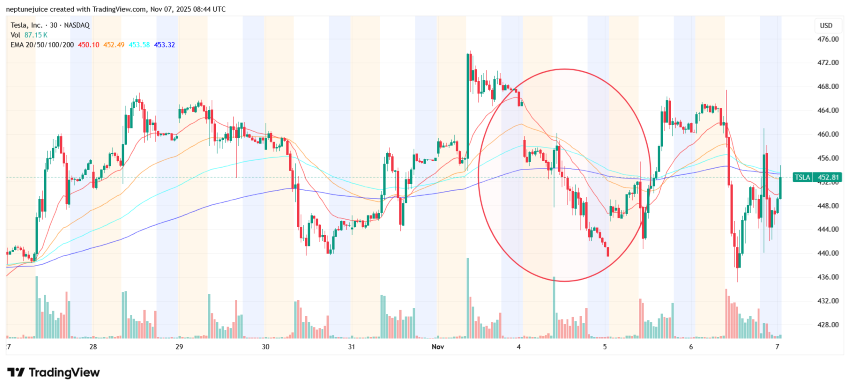
Optional dividends do offer flexibility but at the same time there is a lot of risk involved. The main risk is dilution. When stock dividends are more selected by numerous investors, the stock is issued again by the company. This expands the amount of total supply and decreases ownership stakes of every shareholder. High dilution can also depress share prices as market participants view the effectiveness of pay per share – much like Tesla stock dropped after the Norwegian Wealth Fund rejected Elon Musk’s suggested one trillion dollar pay package, warning of shareholders’ fears in relation to growing capital shares and dilution potential.
For firms, optional dividends make cash-flow management much more difficult. Issuing shares saves cash, but reserves shall be maintained by firms for investors who demand cash payout. If many choose to be in cash, liquidity becomes the problem, as there is less money to reinvest, to pay off debts, or to operate. This becomes more challenging with economic downturns, especially when considering the natural progression of contraction on parts of the economy, which is indicated in the Bessent report from Treasury, meaning a greater emphasis on a firm to be prudent in its payouts.
Shareholders’ returns are not as predictable. Dividend reinvestment creates a correlation between income and economic performance of a corporation. If share prices decline, short-term cash may not leave this group of recipients to harvest profits. Besides this, tax law could create liabilities even when no cash is received, which further makes it uncertain.
After all, although optional dividends are not risk-free. Investors will need to consider their liquidity needs, volatility and the potential for dilution against their flexibility and potential for compounding returns.
How Optional Dividends Impact Portfolio Strategy
Optional dividends allow investors to have more control over the way their dividend payout works as part of an overall plan. An investor seeking a particular distribution of income and expenses can use cash, and therefore receive cash payments. Long term investors can choose stock dividends for reinvestment purposes to own more stock and compound gains over time. This inherent flexibility allows you to adapt your strategy to changing financial goals.
In addition, the option supports portfolio balance. For instance, an investor might collect cash from one company for liquidity and take stock from another to reinvest for growth. Insights from leading stock market newsletters can help guide such decisions, ensuring portfolios remain well-balanced between income and appreciation. This blended approach prevents overexposure to either short-term returns or long-term volatility.
Optional dividends make sure that investors are thoughtful. Each decision needs to be made with careful consideration of current needs and goals to ensure they are in line with wealth accumulation objectives. This habit will allow more discipline and flexibility in the portfolio to succeed over time.
In essence, optional dividends are more than a mechanism for payouts – they are a strategic tool that brings flexibility, balance, and reflection to an investor’s plan. Overall, they combine the potential for compounding with liquidity to create a more resilient and responsive portfolio.
Real-World Examples of Optional Dividends
Major corporations use divvying out optional, or scrip dividends as a way to keep the cash but pay their shareholders nonetheless. Iberdrola has expanded its Retribution Flexible program in 2025, offering shareholders options to receive shares voluntarily or trade rights to either the dividends or the allocation of the new shares, as well as cash through the grounds of a supplementary dividend. By choosing to remain invested in stocks, investors have taken ownership, and Iberdrola has conserved capital for reinvestment. This strategy paid off when Iberdrola boosted its earnings guidance following an improvement in earnings as network investments supported profits, demonstrating long-term growth through optional dividends.
Shell plc (SHEL) has also used similar optional payout structures in recent years, allowing investors to receive shares instead of cash as the company balanced energy transition costs with returns to shareholders. The strategy has supported confidence in its dividend policy—seen when Shell’s dividend hike drove shares higher despite a profit miss, underscoring how steady or growing payouts can maintain investor optimism even during volatile periods. Banco Santander S.A. (SAN) has likewise continued to use scrip dividends alongside cash payouts to preserve flexibility without straining liquidity during financial adjustments.
The above examples demonstrate the advantages of optional dividends from an investor’s perspective, and how they also benefit the business as they maintain flexibility to reinvest and strengthen balance sheets. However, investors will need to balance liquidity needs today against the prospect for a capital appreciation in the long term.
Conclusion
Optional dividends provide unusual flexibility to an investor, as they can structure payouts to meet their own individual objectives. Picking cash provides liquidity instantly, while picking stock helps compounding and long term growth. Thus, optional dividends become a powerful weapon for those who want to be more in control of their income strategy.
For companies, optional dividends offer an even balance between treating shareholders and keeping money to be reinvested or debt reduced. If well communicated, this policy can help to build trust among investors, and improve long term relationships.
Ultimately, optional dividends emphasize strategy thought. By balancing the trade-offs between cash and stock, investors can construct portfolios that can be flexible and suit both their short-term needs and long-term wealth creation.
Optional Dividend: FAQs
-
Are Optional Dividends Better Taken as Cash or Stock?
Deposition is dependent upon the objectives of the investor. Cash is best for investors who need quick liquidity or those who wish to have a chance to invest somewhere else. Preferred stock is usually attractive to long-term investors who want the benefit of compounded returns and greater ownership.
-
Do Optional Dividends Dilute Shareholder Value?
So companies can issue more shares if a significantly high number of shareholders choose to receive stock. This new issuance means existing shareholders are slightly diluted because the number of shares outstanding increases. Generally, the dilution is small—especially if the company retains cash to reinvest in the business or channels it into undervalued stocks paying dividends, which can enhance long-term portfolio returns through steady income and capital appreciation.
-
How Do Optional Dividends Affect a Company’s Cash Reserves?
Optional dividends: optional are helping companies save money. Along with giving the shareholders a claim on the future cash flow of the undertaking, stock issuers eliminate the immediate cash commitment, allowing management to retain liquidity to support operations, payment of debt or growth initiatives.
-
Are Optional Dividends Taxed the Same Way as Regular Dividends?
The answer is yes in most jurisdictions, cash dividends are taxed at ordinary income rates. Depending on the fair-market value of the stock, the stock dividends could be taxable. Depending on the rules, in some cases the taxes are deferred till the selling of the shares.
-
Which Types of Companies Usually Issue Optional Dividends?
Typically, optional dividends are used by companies where banks, utilities, and other capital-intensive companies want to pay shareholders something without necessarily coughing out cash. They are especially popular at times of financial distress when liquidity is the most important concern.
All reviews, research, news and assessments of any kind on The Tokenist are compiled using a strict editorial review process by our editorial team. Neither our writers nor our editors receive direct compensation of any kind to publish information on tokenist.com. Our company, Tokenist Media LLC, is community supported and may receive a small commission when you purchase products or services through links on our website. Click here for a full list of our partners and an in-depth explanation on how we get paid.

 Back to