Gross Dividends vs. Net Dividends: Comparing the Differences


All reviews, research, news and assessments of any kind on The Tokenist are compiled using a strict editorial review process by our editorial team. Neither our writers nor our editors receive direct compensation of any kind to publish information on tokenist.com. Our company, Tokenist Media LLC, is community supported and may receive a small commission when you purchase products or services through links on our website. Click here for a full list of our partners and an in-depth explanation on how we get paid.
How much of a dividend actually makes it into your account?
Gross dividends are the headline number that companies announce, but net dividends are the number that actually gets to the investor after taxes and fees. That difference has the ability to change real returns and affect trading decisions.
The distinction is important for day traders, as often markets move on the gross number while the net payout is the factor that determines investor behavior. Even small differences between the cross-border trades or around ex-dividend dates can trigger volatility.
Knowing how to read gross versus net helps traders anticipate reactions and fine-tune strategies with greater precision.

- Defining Gross Dividends
- Explaining Net Dividends
- Key Differences
- Taxation and Other Deductions
- Market Reactions
- Why the Distinction Matters
- Sector and Global Considerations
- Practical Tips
- Conclusion
- FAQs
Defining Gross Dividends
A gross dividend is the basis level for determining how much income a company wants to pay out to its shareholders. When a dividend is declared, the amount is always given in gross terms–total payout before deductions such as taxes, brokerage fees or withholdings. It is most often presented on a per-share basis. For example, a $1.00 gross dividend is $100 in gross payout over 100 shares, even if the payout after deductions is less.
Gross dividends appear in press releases, financial statements, and dividend calendars because they serve as the headline figure. Analysts and traders often use this number to calculate dividend yield by dividing the payout by the stock’s price. Since yield is a key driver of sentiment—especially in uncertain markets where dividend income may have its day—gross figures tend to shape the market’s first reaction.
Gross dividends set expectations for traders. The above-mentioned declaration can increase the confidence in profitability and cause short term buying, while a weaker statement can cause selling. Even if the investor’s net payout is less after taxes, it’s the gross dividend that makes the headlines and initial reaction so it’s an important concept for anyone paying attention to dividend-related volatility.
Explaining Net Dividends
Net dividends are the actual cash amount received by the investors after subtracting the deductions from the gross dividend amount. These cuts include taxes, withholding rates and brokerage fees. For example, a gross dividend of $1.00 with a 15 percent withholding tax yields a net payout of $0.85. The difference serves to illustrate the disconnect between corporate rhetoric and shareholder returns.
In practice, net dividends are more important than gross numbers because they are actual cash flow. Investors calculate returns based on what is credited to their account (not the headline announcement). For traders, the amount of net payout can have an impact on short-term sentiment. A lower net result because of higher taxes can dampen demand, while a higher net result (perhaps as a result of favourable tax treaties) can increase enthusiasm.
Companies seldom advertise the net dividends, because deductions vary depending on location, type of account and whether that account is tax exempt or not. Traders should either work out net results themselves or use brokerage records. Because net dividends capture the real value of holding a stock, they play a key role in evaluating real yields, planning dividend capture strategies and determining whether the market response matches the return.
Key Differences Between Gross and Net Dividends
The main difference between gross and net dividends is simple: gross dividends indicate what a company declares, and net dividends indicate what shareholders actually take home. Gross dividends are stated per share and used in press releases and other communications as the basis for yield calculations, headlines, and even dividend based stock pricing models. Net dividends, on the other hand, reflect deductions such as taxes, withholdings, and fees, and hence are the true measure of investor income.
For investors, gross dividends establish expectations and tell us a company’s willingness to reward shareholders, but net dividends tell us what the company is actually paying out in terms of cash flow. Investors abroad, for example, may pay a lot less than the figure stated due to foreign taxes, while investors in tax-beneficial accounts may keep more.
This difference is important around ex dividend dates. Usually, markets will respond to the gross number because it is displayed, but the actual long-term payout is based on the net amount after deductions are made. Knowing this gap can allow traders to better anticipate sentiment, manage expectations and capitalize on opportunities when prices overreact to headline announcements.
Taxation and Other Deductions That Affect Net Dividends
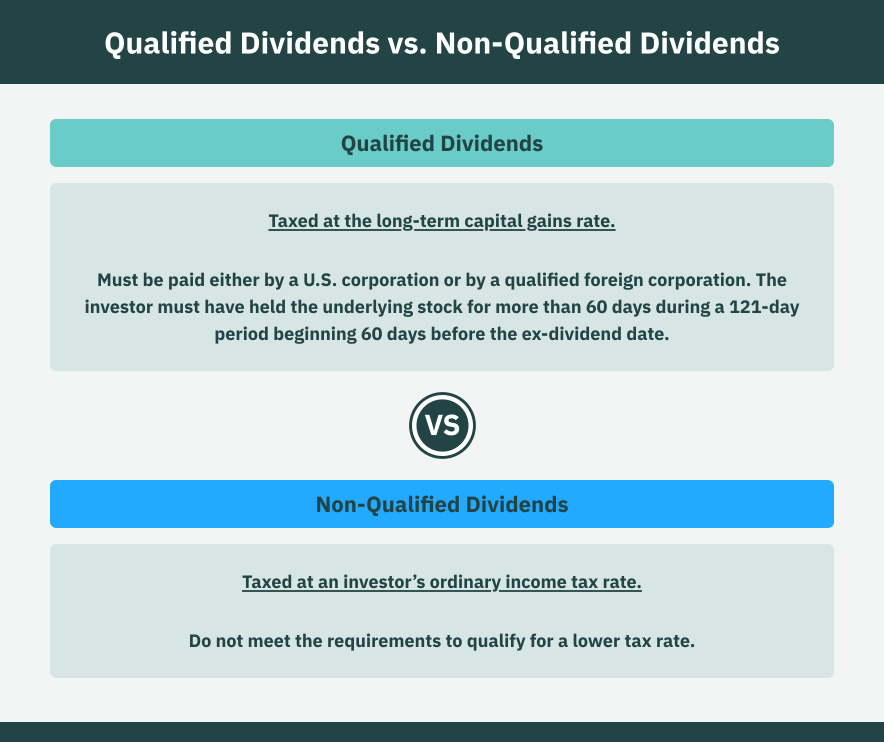
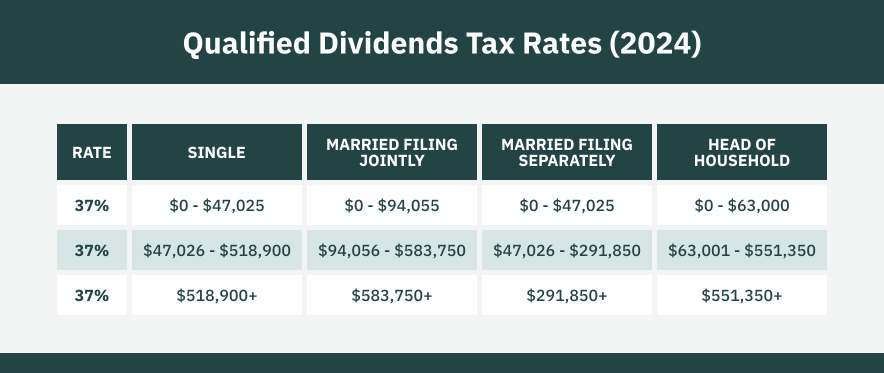
Taxes and fees are important factors when considering how much of a declared dividend actually reaches an investor’s account. Depending on whether the dividend is eligible for special rates or treated as ordinary income, the domestic investors might be treated differently. In many jurisdictions qualified dividends are taxed at a lower rate, but ordinary dividends are taxed at full income rates so the net payout is less. Withholding taxes that can dramatically reduce dividends unless tax treaties offer partial relief are a common problem for foreign investors.
In addition to taxes, brokerage fees and account fees can further erode payouts. Some brokers will charge small administrative fees when paying dividends, especially with foreign holdings. While small in and of themselves, these costs can mount up for active traders and alter the appeal of a dividend stock. An attractive-sounding yield on paper may be less attractive after deductions.
For day traders, these reductions have a strategic importance. Share prices tend to spike on gross dividend announcements, so those investors who expect a less favorable net result will be aware that excitement will be short-lived once adjustments are reported. On the other hand, investors may react more positively to the headline than this reduced taxation account implies. Factors in such deductions help traders to plan for intraday volatility, steer clear of mispricing traps and more accurately assess the true return potential of dividend trades.
Market Reactions to Dividend Announcements
When companies announce dividends, the gross amount is typically the headline-grabber and the cause of the first market reaction. This number is quoted in press releases, calendars, and financial news, which often sparks immediate buying or selling. A larger-than-expected dividend can be a positive catalyst for sentiment and prices, especially for those following dividend focused investments, whereas a smaller figure can lead to disappointment and selling pressure.
Soon after, however, attention shifts to the net dividend—the amount investors actually receive after taxes and fees. For overseas investors in particular, the difference can be significant. Low interest rates can dampen demand, while preferential tax treatment can keep demand stronger than expected. For those interested in cash flow investing, the net figure is the most meaningful because it reflects the real income stream rather than the headline payout.
Day traders can take advantage of the gap between perception and reality. While prices can spike on gross announcements, disciplined traders can forecast net results and their influence on sentiment. A recent case was Organon’s decision to cut its dividend, where the gross cut alone sparked an immediate selloff before investors had even considered the net outcome. If there are net payouts, rallies can turn around fast; conversely, weak reactions may create room for upside once markets recognize that net dividends remain strong. By monitoring shifts from gross to net, traders can better time entries and exits and capitalize on dividend-driven volatility.
Why the Distinction Matters in Day Trading
Day traders are well aware of the difference between gross and net dividends, as it directly shapes their opportunities. Gross dividends make the headlines and spark the first wave of volatility, but net dividends determine real returns and whether momentum holds or fades. This disconnect between perception and reality often creates short-term inefficiencies, giving traders a chance to structure dividend timing trades around them.
Dividend capture strategies help to drive home the point. Traders who buy before the ex-dividend date want to make sure they receive the payout, but it is the net dividend (not the gross amount) that counts toward profitability. Taxes or withholding can cut into payouts enough to make the trade worthless. Also, from a sentiment perspective, gross results tend to follow the market more closely than net results, although net results tend to react more strongly to price changes on ex-dividend dates. Understanding this difference is important for traders to determine whether declines will be steep, flat or inflated.
By breaking down gross versus net, traders refine their ability to identify inefficiencies and anticipate shifts in sentiment. Pairing these insights with guidance from reputable stock advisory services helps ensure strategies align with real market behavior. What looks strong on paper can quickly unravel when net payouts disappoint, but traders who account for this dynamic are better positioned to capture short-term opportunities with precision.
Sector and Global Considerations
Treatment of dividends varies according to sector and location, further complicating matters for the trader. In telecommunications and utilities stocks, dividends are a core component of shareholder returns and often tied closely to payout yield, usually taxed at rates reflecting their stability. By contrast, technology or biotech companies distribute fewer dividends, so they pay taxes less often, but when they do, gross versus net results become even more important. Practices within the sector therefore shape both expectations and how traders react to announcements.

Geography only makes things more difficult. Domestic dividends can be classified as qualified or ordinary, which makes a big difference in net returns. In addition, foreign governments often impose withholding taxes on any dividends paid out from abroad, and if you look at the details of any of these companies’ financial statements, you’ll find that the net amount paid out in dividends is way below the gross amount. Some treaties reduce these cuts but, where there is no treaty, the differences between gross and net can be significant.
These sector and regional variations guide market responses for traders. For a U.S. utility, gross and net dividends may be nearly identical, producing straightforward reactions. By contrast, a foreign company’s gross payout can leave investors with far less, muting enthusiasm and changing behavior. Keeping up with payout yield data and insights from popular investing publications helps traders anticipate how dividend announcements will affect sentiment and volatility across different sectors and regions.
Practical Tips for Monitoring Gross vs Net Dividends
For traders, it’s necessary to keep track of gross and net dividends with discipline. Broker platforms often give breakdowns of the declared gross dividend together with the amount actually credited after taxes and fees. Since the two can be wildly different, it’s dangerous to assume that the headline number is the same as the actual payout. Dividend calendars published by financial sources also indicate when distributions will be paid, but they generally list only gross amounts and therefore traders must check or calculate the net amount.
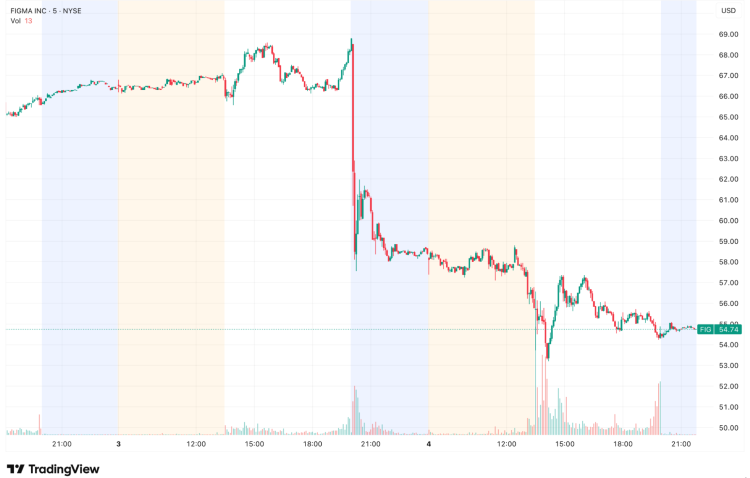
Corporate filings—press releases, quarterly reports, or dividend declarations—provide additional information on gross payouts, tax classifications, and payment schedules. Traders can use these as a comparison against brokerage statements to identify when the market is expecting returns that do not match investor actuals, reducing the risk of surprises that could derail short-term tactics. For instance, when Figma’s stock fell after its first earnings report since IPO disappointment, it showed how quickly markets can punish a mismatch between expectations and reality—something dividend traders also need to guard against.
A recent example of this was Walgreens Boots Alliance’s suspension of its dividend after over 90 years of payment. The gross figure made news and sent the stock into a sell-off, but the net impact was even more brutal: income-oriented investors got nothing. For day traders, Walgreens (WBA) also illustrated how markets often react first to the gross number, while the true consequences show up in net terms. Trading based on the source of numbers provides confidence that positions are grounded in reality rather than assumption, allowing traders to capitalize on sentiment shifts more effectively.
Conclusion
As noted above, gross and net dividends may sound similar, but for traders they mean different things. Gross numbers make headlines and headlines make sentiment, but net payouts tell the real story of how much investors earn. Understanding the difference between the two is useful for matching strategies with perception and reality.
This difference is often an opportunity for day traders. The market may react positively to gross announcements, and then make modifications once it becomes clear what the net results will be (after tax, considering sectoral customs and practices or foreign withholding). By keeping an eye on both indicators, traders can anticipate these changes and respond accordingly.
In the end, precision matters. Gross dividends are what they sound like, but net dividends are what matter when it comes to profitability. By tracking both, traders can turn the potential confusion into actionable insight while keeping risk in check.
Gross vs Net Dividends: FAQs
-
What Is the Main Difference Between Gross and Net Dividends?
Gross dividends refer to the total dividend declared by the company before any deductions. Net dividends are what shareholders take home after taxes, fees, or other withholdings have been deducted. Gross reflects the company’s intention, while net reflects the investor’s actual return—an important distinction for those comparing dividend payouts with profit sharing stocks or other income vehicles.
-
Why Do Day Traders Care About Gross vs Net Dividends?
Gross dividend announcements are important to day traders because they tend to kick off the first wave of volatility. Net dividends, however, are used to calculate actual payouts and can change sentiment when all is said and done. The difference between these two views often results in trading opportunities.
-
Do All Countries Tax Dividends the Same Way?
No, dividend taxation differs widely across countries. Some impose withholding taxes, particularly on foreign investors, while others provide exemptions or favorable rates. Because of these differences, net dividends can vary greatly across jurisdictions, making them an essential factor in sustainable income investing strategies.
-
Can Net Dividends Be Higher Than Gross Dividends?
Gross dividends are never less than net dividends. Since net dividends are calculated after taxes, fees and other deductions, the net dividend will always be equal to or less than the gross dividend announced by the company.
-
How Do Brokers Report Gross and Net Dividends?
Both figures are usually given in account statements. Gross dividend represents the amount as declared by the company whereas net dividend represents the dividend that is credited to the account of the investor after deduction. This is a helpful difference to traders and investors as it allows for both expectations and outcomes to be clearly defined.
All reviews, research, news and assessments of any kind on The Tokenist are compiled using a strict editorial review process by our editorial team. Neither our writers nor our editors receive direct compensation of any kind to publish information on tokenist.com. Our company, Tokenist Media LLC, is community supported and may receive a small commission when you purchase products or services through links on our website. Click here for a full list of our partners and an in-depth explanation on how we get paid.

 Back to