DRIP Investing: How to Reinvest Dividends for Growth


All reviews, research, news and assessments of any kind on The Tokenist are compiled using a strict editorial review process by our editorial team. Neither our writers nor our editors receive direct compensation of any kind to publish information on tokenist.com. Our company, Tokenist Media LLC, is community supported and may receive a small commission when you purchase products or services through links on our website. Click here for a full list of our partners and an in-depth explanation on how we get paid.
What’s the easiest way to grow your portfolio without putting in more money?
Dividend Reinvestment Plans—also called DRIPs—let you automatically use dividend payouts to buy more shares of the same stock. No extra steps, no manual reinvestment. Over time, this simple process helps your position grow and compounds your returns, all without needing new capital.
DRIPs are popular for a reason: they remove the hassle of timing the market or deciding what to do with cash. Everything runs on autopilot. If you’re building long-term wealth or want your income to keep working behind the scenes, understanding how DRIPs function can help you earn more with less effort.

- The Basics of DRIPs
- Fueling Growth With Dividends
- DRIPs and Cost Averaging
- DRIPs vs. Taking Dividends in Cash
- Tax Considerations
- Stocks That Commonly Offer DRIPs
- How DRIPs Fit Into a Broader Trading Strategy
- Conclusion
- FAQs
The Basics of Dividend Reinvestment Plans (DRIPs)
A Dividend Reinvestment Plan, or DRIP, enables shareholders to automatically use their cash dividends to buy more shares of the same company. Rather than being paid in cash, you are usually paid in more shares (usually fractional) at the time of issuance of the dividend depending on the market price. This is done automatically and this does not require any manual trading.
There are two forms of DRIPs. Others are straight out of the company where shareholders enroll using the investor relations. Others are offered by broking houses and they are usually facilitated by trading platforms of broking houses. In both cases, the principle is the same: dividends can be employed to acquire more shares to compound your investment as time goes by.
DRIPs can be considered as a low-effort method of increasing positions in long-term investments without increasing the capital invested. Every reinvested dividend multiplies the number of shares, hence making more dividends. The resulting effect is a compounding effect which can increase returns over time substantially.
Instead of spending the money on a quarterly basis, DRIP participants reinvest the money. In the long-term, the automatic reinvestment process can allow an investor to accumulate wealth more effectively and therefore DRIPs are a good strategy to follow by an investor who is not active.
Why Reinvesting Dividends Fuels Long-Term Growth
One of the proposals that best help an investor cultivate a portfolio over the long-term is the reinvestment of dividends-particularly when an investor has a temperament that favors consistency and discipline. In contrast to dividends being paid out in cash, reinvestment is the purchase of additional shares using the dividends. This is because the new shares bring their dividends and so there is a compounding effect which speeds up growth and no more capital is required.
This cycle progressively grows the amount of shares and the value of the portfolio. One dividend is the foundation of another: as the number of shares increases so does the income which increases still more shares. In the case of long-term investors, this establishes a virtuous cycle of growth that can bypass portfolios with dividends being withdrawn or spent in most cases.
Reinvestment has its benefits during market dips as well. Dividends purchase more shares at lower prices when markets are down, leading to better gains as prices recover. For example, after recent volatility triggered by the U.S.-EU trade deal, global stock indexes fell, creating new entry points for reinvested dividends. Because DRIPs automate the process, investors are less likely to make emotional decisions or try to time the market.
Reinvestment of dividends and remaining invested will serve a long-term investment goal due to the compound effect. It is a passive, easy tactic, which pays off in patience and discipline. To a long term investor, it has the potential of converting ordinary income into a wealth building machine.
DRIPs and Cost Averaging: A Built-In Strategy
Another advantage of DRIPs that is not so well known is a kind of built-in dollar-cost averaging. Because of the regular schedule of reinvesting dividends, without any regard to the price of the stock, investors automatically purchase more when the price is low and fewer when the price is high. This constant reinvestment will tend to stabilize the price, and decrease the average cost per share in the long run.

This is particularly beneficial to long-term investors and those who prefer to avoid market timing. With DRIPs, reinvestment happens automatically, removing emotion and speculation from the process. Shares are steadily accumulated, fostering discipline and keeping investors focused on sustained income growth rather than short-term noise. This approach aligns well with strategies centered around steadily rising dividend payouts over time.
The other advantage is that one remains invested at all times without making adjustments or watching the market. Dividends are used to reinvest in the stock and the exposure increases as the investment has a chance to gain advantage of the fluctuation and maintain long-term gain through various market cycles in a quiet way. The benefits will be more visible the longer the strategy is implemented: lower average prices of purchases and the bigger shareholding.
Passive, patient investors can use DRIPs to enjoy the flow of the market in an easy low-stress manner. This method of cost-averaging enables one to accumulate wealth over time, and takes advantage of the volatility by converting it to opportunity rather than complexity.
DRIPs vs. Taking Dividends in Cash
Whether you reinvest your dividends in a DRIP or collect them cash on the books should depend on your goals, the income and time you need to invest. As a core tactic within dividend investing, DRIPs have a distinct advantage to long-term investors that are concerned with compounding. They will enable you to scale up your position without increasing capital, and they will enable you to follow a passive, steady approach, which will take advantage of time in the market.
The flexibility lies in payment of dividends in cash. It may be perfect in the case of retirees, income-oriented investors or traders who desire to pay capital themselves. Cash dividends may be used to pay expenses, to make new investments or react to changes in the market. It is a more proactive one that is more in control.
The techniques are cost-tradeoffs. DRIPs are not participatory and they are automatic but they may result in overconcentration without controls. Cash dividends do not have that risk though they can reduce the rate of portfolio growth in case the dividends are not invested in a smart manner. Taxes on both of them are levied in the year of receiving dividends and the primary distinction is in the use of the income.
The best option is all about what you want to achieve. Investors who want to have long-term growth in their portfolio may find automatic reinvestment beneficial, and those wishing to have flexibility or immediate income may prefer cash. Both of them may be efficient, provided that they are supported by a considerate strategy—one that may be enhanced by tools like investment newsletters that help clarify long-term planning and offer timely insights.
Tax Considerations with Reinvested Dividends
The one thing that new investors are likely to be surprised about is that even reinvested dividends are taxed in the same year that they are received, even though no cash has been exchanged. When you automatically reinvest the dividends with a DRIP, the IRS is going to treat it as if you got the cash and immediately used it to purchase additional shares. Such an income should be reported and taxed.
This can be counterintuitive, at least to passive investors who invest with DRIPs in taxable accounts. You do not even put your hands on the money but you pay the tax. This is likely to cause unforeseen tax obligations unless it is followed closely. The dividends that you received, whether reinvested or in cash form, will be reflected on your Form 1099-DIV.
Other active investors choose to receive dividends in cash so that they are able to achieve more control and flexibility. Nevertheless, the tax treatment of reinvested dividends is something that an individual trying to maximize their income or work out quarterly payments of taxes should know.
To keep abreast of this, it is a good idea to maintain proper records of dividends reinvested and adjusted cost basis of any new shares. Although DRIPs are wonderful when it comes to long-term growth, it is accompanied by short-term taxation. Being organized will prevent any surprises and you will also stay on course with your tax planning.
Stocks That Commonly Offer DRIPs
A lot of well established companies have Dividend Reinvestment Plans especially those who have a track record of paying dividends on a regular basis. Large, financially sound companies that have a good performance history are typical blue-chip stocks, and are frequently used DRIP candidates. The utilities are also frequent participants since they have a dependable income stream and appealing to income investors.
One of the most popular groups of stocks—especially as Wall Street raises its outlook for the S&P 500—are the Dividend Aristocrats, which are S&P 500 companies that have grown dividends for 25 or more consecutive years. Examples include Procter & Gamble, Coca-Cola, Johnson & Johnson, and PepsiCo. These companies offer consistent dividend payouts along with long-term growth potential.
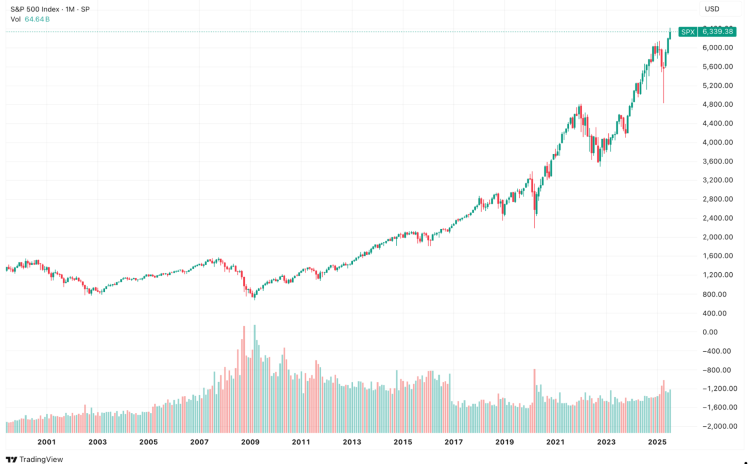
PepsiCo, for instance, is exploring new product lines focused on protein and fiber to boost future sales—highlighting how even mature dividend payers continue to evolve. This combination of stability and forward momentum makes them strong candidates for reinvestment.
In the case of constructing a DRIP-oriented portfolio, one should not focus merely on dividend yield. It is important to have consistency, payout sustainability, and general financial strength rather than a high dividend. As a matter of fact, unusually high yield may signal elevated risk. A high dividend payout ratio and excessive yields are often avoided by long-term investors who prioritize moderate dividends, low payout ratios, and strong fundamentals to support compounding. Tools like the dividend discount model can help assess whether a stock’s valuation aligns with its future dividend potential, adding a layer of discipline to dividend stock selection.
Although there are companies that directly enroll in DRIP, and there are also a wide variety of stocks that offer reinvestment at most brokerages. This provides the investors with the flexibility to develop a diversified portfolio with reinvestment as the focus without being confined to any particular programs. Investors can also use curated equity research platforms or stock selection services to identify dividend-paying companies that align well with reinvestment goals.
In the end, DRIP investing in stocks is about stability, reliability and long run growth which helps the reinvested dividends work more in the long term.
How DRIPs Fit Into a Broader Trading Strategy
DRIPs may also be used to maintain a larger trading plan in the background in order to develop long-term equity holdings when the attention is on active trades. When traders are more concerned with swing or options trading, DRIPs provide a passive means of being invested in a consistent growth without having to constantly monitor it. When the trading capital is being turned over into more risky investments, DRIPs continue to buy shares and increase their value over time.

This combination brings diversity to a portfolio. The active trades can provide faster returns, but there is increased volatility and risk associated with them. DRIP-driven holdings are, however, more conservative and long-term oriented. When they are small fractions of total capital, the dividends that can be reinvested by reliable payers can significantly increase long-term returns.
DRIPs also stabilize portfolios during uncertain markets. While traders may step back or sit out volatility, reinvesting dividends keeps profits growing and reduces emotional decision-making. Some investors layer in dividend capture tactics around ex-dividend dates for additional short-term gains without disrupting their core DRIP strategy.
DRIPs do not have to be the centerpiece of a portfolio to do something. With active strategies, they are a low-cost growth driver; they grow ownership gradually and produce reinvestable income, all the while leaving most of the capital free to pursue tactical opportunities.
Conclusion
Dividend Reinvestment Plans are one of the easiest yet potent means of accumulating wealth in the long run. The power of compounding can be fully utilized through automatic reinvestment of dividends in other shares without the investor having to invest any new capital or be able to time the market.
DRIPS can fit into any investing strategy whether you prefer to be a long-term investor looking to passive income or you prefer to be an active trader wishing to gain equity in the background. They are spontaneous, organized, and long term which balances out the more direct trading strategies.
DRIPs, as with any other tool, have trade-offs, especially in terms of taxes and concentration of the portfolio. And with careful planning and an emphasis on dividend-paying stocks of high quality, they can very well act as a secure vehicle to accumulate wealth over the years in an efficient and steady manner.
Dividend Reinvestment Plans: FAQs
-
Do I Pay Taxes on Reinvested Dividends?
Yes. Although you do not receive the dividends in cash form, reinvested dividends are still regarded as taxable income that has been issued in the same year. You will have to indicate them on your tax return, usually with the help of the 1099-DIV form issued by your broker.
-
Can I Turn off a DRIP at Any Time Through My Brokerage?
In most brokerages, you can choose to participate in DRIP or not at any time. Most of these settings are usually made in your account dashboard or by calling the customer service number When this is switched off, you will receive future dividends in cash rather than having them reinvested.
-
Is a DRIP Better Than Manually Buying More Stock With Cash?
It is based on what you want to accomplish. DRIPs provide automatic reinvestment without fee and this will help instill discipline to the long-term investor. Manual purchases of stock give more control over timing and price and this can be attractive to still more active investors or those who are careful about position sizes.
-
Are All Dividend Stocks Eligible for DRIPSs?
Not every stock that pays dividends has a DRIP program, but most brokers have an option to sign up through a DRIP program. Some companies operate their direct DRIP programs; however, most brokerages also offer a broad set of reinvestment options in eligible stocks.
-
How Do DRIPs Affect Portfolio Diversification?
DRIPs allow you to slowly build up your exposure to a single stock, which can become a problem given that they can result in overconcentration. You should keep track of your overall allocation and rebalance on a regular basis to make sure that your portfolio is well diversified in terms of sectors and types of assets.
All reviews, research, news and assessments of any kind on The Tokenist are compiled using a strict editorial review process by our editorial team. Neither our writers nor our editors receive direct compensation of any kind to publish information on tokenist.com. Our company, Tokenist Media LLC, is community supported and may receive a small commission when you purchase products or services through links on our website. Click here for a full list of our partners and an in-depth explanation on how we get paid.

 Back to