SUI-4.17%
Market Analysis
SUI-4.17%
Market Analysis
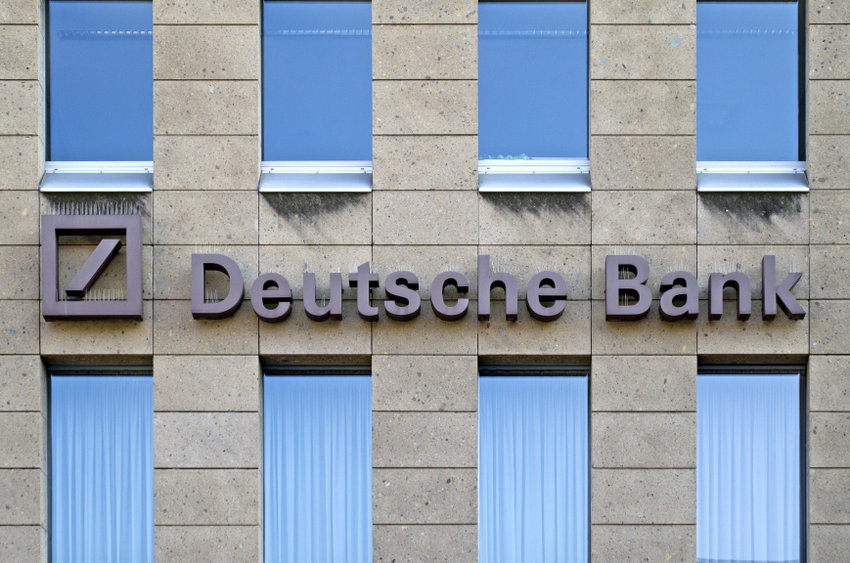
Deutsche Bank Fined $2M for Violation of Best Execution Rule with Dark Pool
Deutsche Bank agrees to pay $2 million fine after allegations of using its dark pool for against the interest of its clients.

Editorial disclosureRead more
All reviews, research, news and assessments of any kind on The Tokenist are compiled using a strict editorial review process by our editorial team. Neither our writers nor our editors receive direct compensation of any kind to publish information on tokenist.com. Our company, Tokenist Media LLC, is community supported and may receive a small commission when you purchase products or services through links on our website. Click here for a full list of our partners and an in-depth explanation on how we get paid.
Last week, the Financial Industry Regulatory Authority (FINRA) disclosed that it had fined Deutsche Bank $2 million for a dark pool routing lapse. The regulatory body revealed that the German bank had improperly routed some customer orders through its dark pool —SuperX, between January 2014 and May 2019.
The FINRA accused Deutsche bank of breaking the best execution rule, which requires brokers to seek out the best conditions for their clients. The regulation requires companies to regularly assess the quality of their trade execution, taking into account speed, order size, and transaction costs.
Deutsche Bank’s History Of Dark Pool Violations
This is not the first time Deutsche bank, which sounded recession alarms following government stimulus, has run afoul of dark pool regulations. In 2016, the Securities and Exchange Commission announced that the investment bank had agreed to settle accusations it misled its clients. This occurred through the performance of a core feature of its automated order router that primarily sent client orders to dark pools.
Consequently, the investment bank paid $18 million in penalties to both the SEC and NYAG (New York State Attorney General). This brought the value of fines to $37 million.
Following FINRA’s announcement, several observers took to the social media platform Reddit to express varying opinions. Several expressed satisfaction that regulatory bodies had started exposing underhand tactics of corporations despite the small fine. They believe that future penalties would carry more weight to deter these companies.
Furthermore, other Redditors said the fine was paltry compared to the sums the bank must have made from its dark pool dealings. They further called on regulatory bodies to carry out sterner actions that would hurt these companies rather than monetary penalties.
Dark pools have become increasingly regulated by the SEC and other regulatory bodies in recent times. These bodies believe that they are not suitable for the overall health of the stock markets; however, many investors do not think so. They opine that these pools offer no risk or damage to investors.
What are Dark Pools?
A dark pool is an alternative trading system (ATS) that provides liquidity while obscuring trades. Also known as private or secrete exchanges, they offer large corporations the option to trade large blocks of stocks over the counter among themselves, out of public view. Together they are believed to account for at least 40% of the global equities market.
Following the SEC’s approval of the National Market System(NMS) Regulation in 2005, dark pools gained traction. NMS revolutionized the stock market to become what we know today, resulting in a fully legal and regulated alternative trade system.
Despite being regulated, transactions in dark pools do not show on the exchange’s order books. The apparent goal of this is to keep the market stable by preventing other market participants from knowing when large institutional orders are placed.

Join our Telegram group and never miss a breaking digital asset story.
Citadel Securities’ Controversial Use of its Dark Pool in 2021
Dark pools are advantageous as they can boost liquidity and market efficiency. However, it is designed to minimize transparency and mask conflicts of interest, potentially leading to market manipulation. The abuse of these private exchanges saw Citadel Securities get dragged into the meme stock saga in 2021 across multiple Senate Banking Committee hearings.
Through its subsidiary Citadel Connect, Citadel Securities accounted for a significant portion of Robinhood’s Q1 2021 revenue. According to reports, the unregistered dark pool relied heavily on the stock platforms’ controversial PFOF (payment for order flow) business model. However, the practice is illegal in many western countries due to its ability to cause conflicts of interest.
Although many believe that retail investors are not affected directly, dark pools allow market manipulation to go undetected. This ensures retailers trading the right way are left with the short end of the stick on their investments in the long run. Therefore, it may be suitable for them that regulatory bodies are clamping down on corporations abusing these private exchanges.
Do you think dark pools are essential in the current financial paradigm? Let us know your thoughts in the comment below.

Kingsley Alo
<div>Alo Kingsley is a finance writer with over 4 years of experience covering blockchain and cryptocurrency news. Alo first discovered Bitcoin in 2016 and has been passionate about it ever since, particulary the various ways blockchain can help Africa and the world at large. He aims to give the crypto space a more geographically balanced narrative as it evolves. His articles have been featured in Cointelegraph, Beincrypto, and Forkast.news, among other publications.</div>