
Crypto
U.S. House Financial Services Committee Unveils Draft Stablecoin Legislation: Key Insights
The new draft bill includes a two-year ban on stablecoins that aren't backed by reserve assets.
 BTC$62,769.00-0.20%
 ETH$1,795.23+0.98%
 USDT$0.9988-0.02%
 BNB$570.12+0.34%
 USDC$0.9999+0.01%
 XRP$1.07-0.75%
 SOL$75.21-1.19%
 TRX$0.3248-0.76%
 FIGR_HELOC$1.03+1.91%
 HYPE$63.84-1.72%
 DOGE$0.0721-0.02%
 USDS$0.9999+0.02%
 RAIN$0.0142-1.58%
 LEO$9.55+0.30%
 ZEC$507.33-1.11%
 WBT$55.10+0.04%
BTC$62,769.00-0.20%
ETH$1,795.23+0.98%
USDT$0.9988-0.02%
BNB$570.12+0.34%
USDC$0.9999+0.01%
XRP$1.07-0.75%
SOL$75.21-1.19%
TRX$0.3248-0.76%
FIGR_HELOC$1.03+1.91%
HYPE$63.84-1.72%
DOGE$0.0721-0.02%
USDS$0.9999+0.02%
RAIN$0.0142-1.58%
LEO$9.55+0.30%
ZEC$507.33-1.11%
WBT$55.10+0.04%
WBT$55.10+0.04%
BTC$62,769.00-0.20%
ETH$1,795.23+0.98%
USDT$0.9988-0.02%
BNB$570.12+0.34%
USDC$0.9999+0.01%
XRP$1.07-0.75%
SOL$75.21-1.19%
TRX$0.3248-0.76%
FIGR_HELOC$1.03+1.91%
HYPE$63.84-1.72%
DOGE$0.0721-0.02%
USDS$0.9999+0.02%
RAIN$0.0142-1.58%
LEO$9.55+0.30%
ZEC$507.33-1.11%
WBT$55.10+0.04%

Singapore introduced a new regulatory framework on Tuesday to label stablecoins.
The new draft bill includes a two-year ban on stablecoins that aren't backed by reserve assets.

Hong Kong said it will not allow algorithmic stablecoins and will require from issuers to get a mandatory license.

In its latest move to becoming more crypto-friendly, the Japanese FSA announced it would ease stablecoin restrictions in 2023.
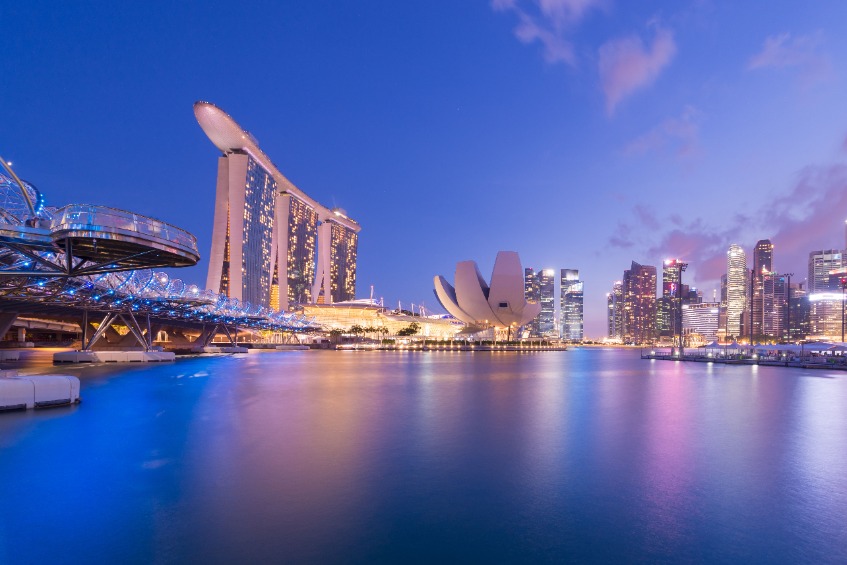
Singapore aims to ban retail users from debt-financed and leveraged crypto trading.
The FSB believes no existing stablecoin currently meets its performance, resilience, security, development, maintenance, and regulatory standards.
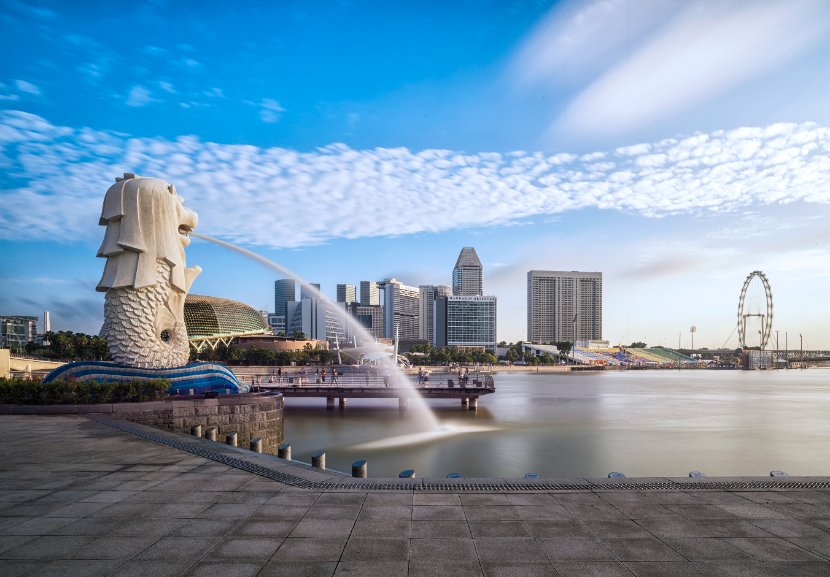
Singapore aims to impose new restrictions on retail crypto traders while further regulating stablecoins.
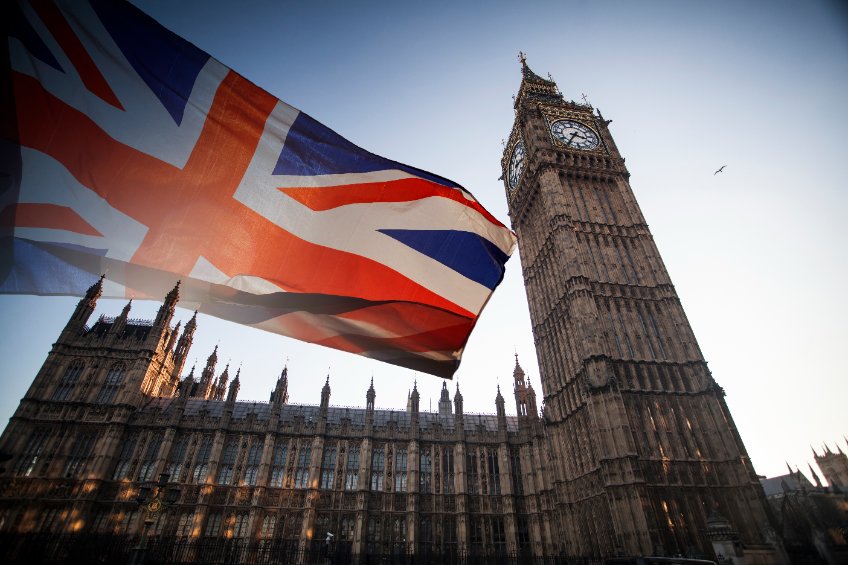
The UK is seeking to regulate digital assets in order to become a global hub for crypto asset technology and investment.