BTC-0.25%
Policy
BTC-0.25%
Policy
SEC Sues the Orchestrators of “a Global Ponzi Scheme” Worth 82,000 BTC
Trade Coin Club allegedly raised 82,000 Bitcoin from more than 100,000 investors in their Ponzi scheme.

Editorial disclosureRead more
All reviews, research, news and assessments of any kind on The Tokenist are compiled using a strict editorial review process by our editorial team. Neither our writers nor our editors receive direct compensation of any kind to publish information on tokenist.com. Our company, Tokenist Media LLC, is community supported and may receive a small commission when you purchase products or services through links on our website. Click here for a full list of our partners and an in-depth explanation on how we get paid.
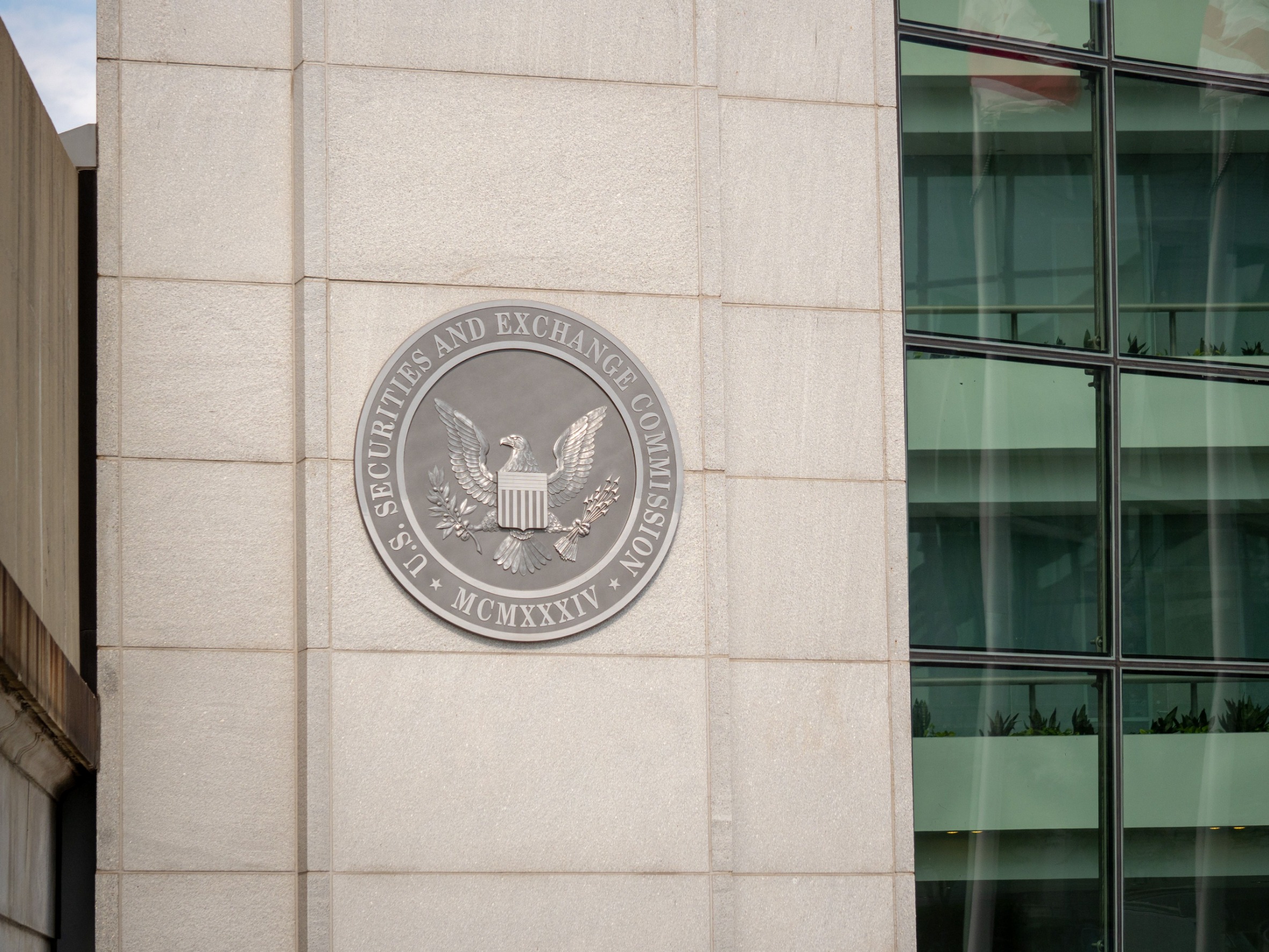
The US Securities and Exchange Commission announced it was charging 4 individuals responsible for creating and operating “a Global Ponzi Scheme.” The perpetrators’ “Trade Coin Club” operated from 2016 through 2018 and scammed more than 100,000 investors worldwide.
Trade Coin Club Allegedly Stole 82,000 BTC Worth $295 Million From Investors Across the Globe
The SEC stated it is pressing charges against Douver Torres Braga, Joff Paradise, Keleionalani Akana Taylor, and Jonathan Tetreault for a scheme that allegedly stole 82,000 Bitcoin—valued at $295 million at the time. The group lured investors by promising them a daily return of at least 0.35%.
Supposedly, Trade Coin Club operated a bot that ran numerous “microtransactions” each day to net the profit. In reality, each of the defendants pocketed an estimate of between 158 ($625,000) and 8,396 Bitcoin ($55 million). Some of the invested assets were used to pay a global network of promoters and longer-standing investors were paid with crypto provided by newcomers—making Coin Trade Club a typical Ponzi scheme.
According to David Hirsch, the Chief of the Enforcement Division’s Crypto Assets and Cyber Unit, the team that uncovered the crime used blockchain tracking and analytics tools. Hirsch added that the unit will continue using these tools to make the crypto markets remain “fair and safe” for investors.

Join our Telegram group and never miss a breaking digital asset story.
Ponzi Schemes in Crypto Explained
While JP Morgan’s Jamie Dimon famously called all cryptos “decentralized Ponzi schemes,” the truth isn’t quite so simple. This fact is highlighted by the fact his bank recently added a head of crypto policy despite Dimon’s comments indicating that the world of banking might be ready to embrace crypto.
Still, various kinds of fraud as well as other schemes intended to scam investors remain commonplace in the world of cryptocurrencies. While some scams, like Trade Coin Club, manage to steal hundreds of millions, many remain smaller scale. For example, an Instagram influencer pleaded guilty to leveraging his popularity to steal a modest sum of $8 million from his fans in another crypto Ponzi scheme.
Perhaps the most high-profile case with accusations of running this tried-and-true scam comes from the bankruptcy proceedings of Celsius. On November 1st, the court ordered the commission of the company’s creditors to confer with the court-appointed examiner to investigate the allegations of the firm operating like a Ponzi scheme since at least 2020.
With many of the 2022 lawsuits targeting scams operated years ago, do you think investors are more informed now and less likely to fall for crypto Ponzi schemes? Let us know in the comments below.

Tim Fries
Tim Fries is the cofounder of The Tokenist. He has a B. Sc. in Mechanical Engineering from the University of Michigan, and an MBA from the University of Chicago Booth School of Business. Tim served as a Senior Associate on the investment team at RW Baird's US Private Equity division, and is also the co-founder of Protective Technologies Capital, an investment firm specializing in sensing, protection and control solutions.