BTC+3.48%
Policy
BTC+3.48%
Policy
US Congressman Says the SEC Acts Like a “Shakedown Authority” with Crypto
Rep. Tom Emmer continues to spotlight the SEC as a rogue agency.

Editorial disclosureRead more
All reviews, research, news and assessments of any kind on The Tokenist are compiled using a strict editorial review process by our editorial team. Neither our writers nor our editors receive direct compensation of any kind to publish information on tokenist.com. Our company, Tokenist Media LLC, is community supported and may receive a small commission when you purchase products or services through links on our website. Click here for a full list of our partners and an in-depth explanation on how we get paid.
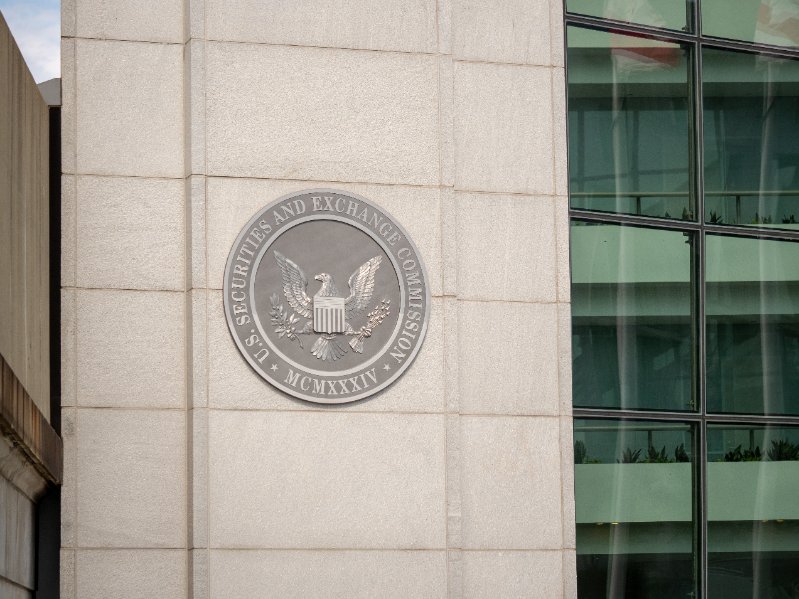
The Securities and Exchange Commission (SEC) came under unfavorable scrutiny this Thursday. Rep. Tom Emmer (R-Minn.) appeared on CoinDesk’s First Mover show expressing concern about the SEC’s overreach.
Although Rep. Emmer is a lawyer by profession, he is chairing Congressional Blockchain Caucus as well as co-chairing Congressional Broadcasters Caucus. The function of these voluntary groups is to pursue common objectives in a more effective manner.
Emmer’s interest in SEC’s behavior is further spurred by serving on the House Committee on Financial Services.
What Did Emmer Fault the SEC?
Addressing Pandora’s box when OFAC sanctioned Tornado Cash, an open-source protocol that ensures financial privacy, Emmer pointed out that the SEC is transforming its regulatory mission into a “shakedown authority”. Specifically, that the SEC is abusing its subpoena power to intimidate crypto firms, even those that shouldn’t be under the agency’s oversight.
Due to the lack of legislative framework, the SEC, led by Gary Gensler, has gained a reputation for filling the legislative void by diktat. Even more so, its deceitful push to invite blockchain firms for a “talk”, only to later hit them with sanctions that are not applied universally. Brian Armstrong, the CEO of Coinbase, described this behavior as “really sketchy” last September when the SEC designated Coinbase’ lending program as security.
Armstrong described this situation as the SEC engaging in intimidation tactics behind closed doors, while simultaneously refusing to provide written guidelines. In July, Rep. Emmer confirmed this when he probed the SEC Director of Enforcement to the point of admission that the agency is stepping outside its purview.
During CoinDesk’s appearance, Emmer implied that this behavior is likely to continue until proper crypto legislation goes through. Unfortunately for those seeking clear rules, this is not likely to happen this year with only 27 legislative days left.

Join our Telegram group and never miss a breaking digital asset story.
The SEC’s Turf War and Upcoming Legislation
As with all bureaucrats, the more oversight they have, the larger their budgets. And if there is a legislative void, bureaucrats tend to fill it with rules of their own. In organizational theory, this is a well-explored theme. Martin Schulz, from the University of Washington, noted this phenomenon in his study on the “Limits to Bureaucratic Growth”.
“Organizations create rules when they encounter new problems that do not seem to be covered by existing rules and when these problems are fairly recurrent, consequential, or salient.”
Another problematic layer occurs when they interpret non-problems as problems. In the case of the SEC, this appears to stem from intergovernmental turf wars. Case in point, if the SEC were to interpret all cryptocurrencies except Bitcoin as securities, it would gain sway over the Commodity Futures Trading Commission (CFTC), which is in charge of regulating commodities.
The latest bill in the opposite direction dubbed the Digital Commodities Consumer Protection Act of 2022 would put CFTC at the front and center. By registering brokers, custodians, and exchanges with CFTC, there would no longer be state-by-state ambiguity. Moreover, the bill could define other cryptocurrencies, outside of Bitcoin and Ethereum, as commodities depending on their state of decentralization.
Do you trust the SEC? Let us know in the comments below.

Tim Fries
Tim Fries is the cofounder of The Tokenist. He has a B. Sc. in Mechanical Engineering from the University of Michigan, and an MBA from the University of Chicago Booth School of Business. Tim served as a Senior Associate on the investment team at RW Baird's US Private Equity division, and is also the co-founder of Protective Technologies Capital, an investment firm specializing in sensing, protection and control solutions.