BTC+2.18%
Crypto
BTC+2.18%
Crypto
Can Cryptocurrency Miners Be Legally Considered Broker-Dealers?

Editorial disclosureRead more
All reviews, research, news and assessments of any kind on The Tokenist are compiled using a strict editorial review process by our editorial team. Neither our writers nor our editors receive direct compensation of any kind to publish information on tokenist.com. Our company, Tokenist Media LLC, is community supported and may receive a small commission when you purchase products or services through links on our website. Click here for a full list of our partners and an in-depth explanation on how we get paid.
In the current regulatory environment, there’s still much confusion over the legal status of cryptocurrency miners. This is especially complicated if the miners are approving tokens considered to be securities.
On April 4th, a FINRA-registered broker-dealer Templum petitioned the SEC for a simple question: what’s the legal status of cryptocurrency miners? They said in their letter:
“Chairman Clayton has stated that nearly every Initial Coin Offering has involved the sale of a security. However, it is unclear if miners of digital assets that are securities be required to register as a broker-dealer under the Securities and Exchange Act of 34. We encourage the SEC to provide formal guidance to the industry on this issue.”
Since then, we haven’t received a response. However, if miners are creating securities or participating in transactions of them, then the legal implications of this question could be profound.
The JOBS Act Needs an Update
Based on the JOBS Act of 2012, the SEC’s A+ crowdfunding regulations allow companies to issue and sell securities to non-accredited investors via two tiers, either for $20M or $50M over a 12-month period.
However, as Blockstack said when they launched in 2017, the current legislation is already outdated. Why would a token issuance require the same laws and regulations as debt or equity? This places miners and those who stake in an awkward position since they are effectively making the security token possible. This may make them liable… or does it?
Arguably, the regulatory position on this question should be, simply put, none. Miners aren’t broker-dealers because they are not actively involved in managing transactions or issuances. They are just allowing for computational solving to render this process trustless. There is no need to provide licenses for miners since they have no real influence. It would be akin to requiring a robot to register itself for its administrative decisions. It’s just input and output; there’s no capacity for human malfeasance.
However, the remaining question then is: should mining companies be required to register themselves separately? Perhaps not as broker-dealers, but an altogether new legal category may be appropriate.
Do you believe cryptocurrency miners should legally be considered broker-dealers? Let us know your thoughts below.
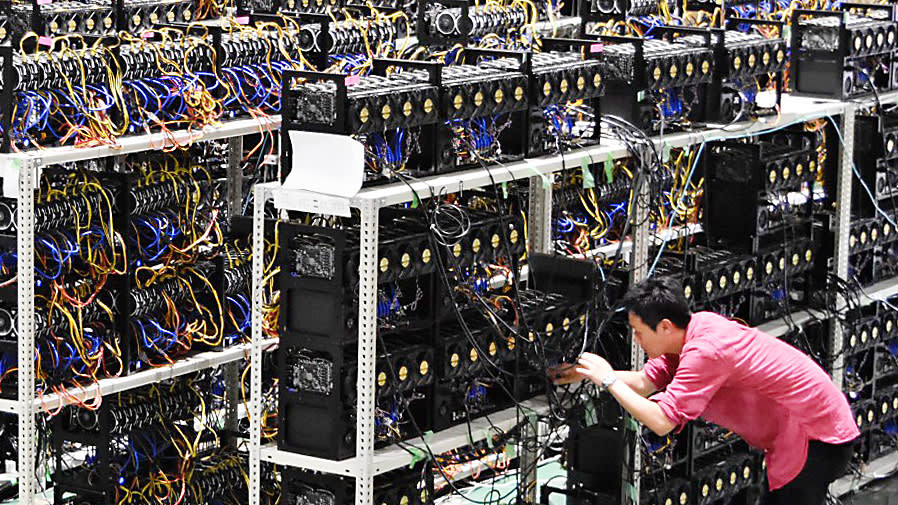
Image courtesy of Nikkei Asian Review.

Tim Fries
Tim Fries is the cofounder of The Tokenist. He has a B. Sc. in Mechanical Engineering from the University of Michigan, and an MBA from the University of Chicago Booth School of Business. Tim served as a Senior Associate on the investment team at RW Baird's US Private Equity division, and is also the co-founder of Protective Technologies Capital, an investment firm specializing in sensing, protection and control solutions.